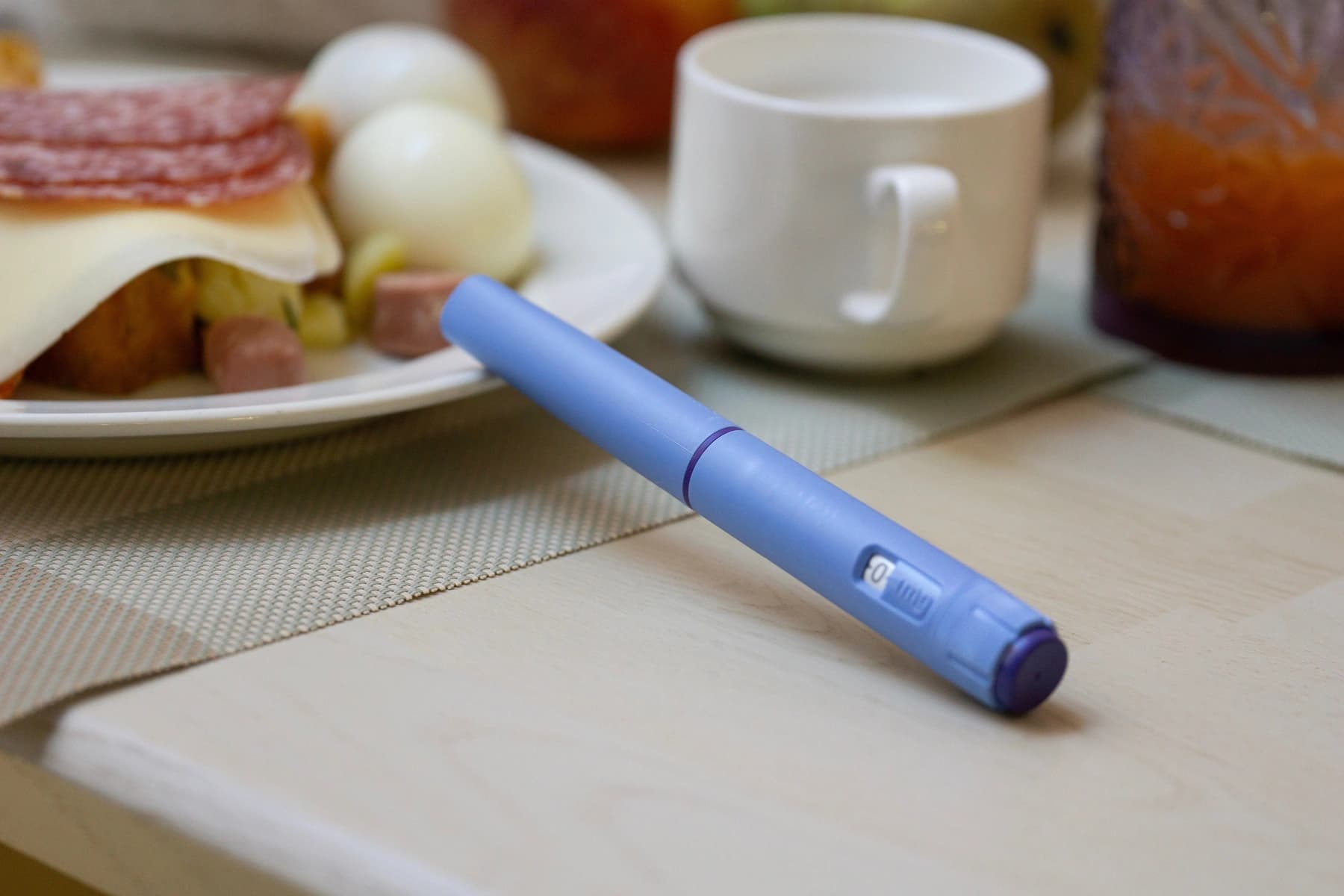

What happens to your weight when you stop GLP-1? Understand the science and how to protect your progress.
What Is GLP-1 Rebound Weight Gain?
When you stop taking GLP-1 medication, some people regain weight relatively quickly. This is not a failure on your part. It is a physiological response to stopping a medication that has been affecting your appetite, metabolism, and how your body processes food.
The term "rebound" describes what happens when the medication leaves your system and your body's hunger signals, eating patterns, and metabolic rate begin to shift back towards their pre-treatment baseline. How much weight you regain, and how quickly, varies widely between individuals.
Why Does Weight Regain Happen?
How GLP-1 Medication Works
GLP-1 medications mimic a natural hormone your body produces. This hormone slows how fast your stomach empties, signals fullness to your brain, and helps regulate blood sugar. While you are taking the medication, these effects suppress appetite and reduce how much you want to eat.
Your brain has learned, over weeks or months, to feel satisfied with smaller portions. Your hunger hormones have been quieter. Your cravings may have shifted. All of this is the medication working as intended.
What Changes When You Stop
When you stop taking GLP-1, the medication leaves your body over days or weeks, depending on the type. Your appetite hormones do not stay suppressed. Your stomach empties at its normal speed again. Your brain's hunger signals return to their pre-treatment pattern.
This is not your body punishing you. It is your body returning to its baseline state. If your eating habits, activity level, and environment have not changed, your weight is likely to move back towards where it was before treatment.
The Role of Lifestyle Changes
The medication is a tool, not a permanent fix. During treatment, many people use the reduced appetite to build new eating habits, learn portion control, and sometimes increase physical activity. These changes can stick around after you stop the medication.
If you have genuinely changed how you eat and move, you have a much better chance of keeping weight off. If the medication was doing all the work and your habits have not shifted, regain is more likely.
How Much Weight Do People Regain?
Clinical trials show that people who stop GLP-1 medication often regain some weight. The amount varies. Some people regain a small fraction of what they lost. Others regain most or all of it within months.
This variation depends on several factors: how long you took the medication, how much you changed your eating and activity habits during treatment, your genetics, your age, and whether you have any underlying metabolic conditions.
There is no way to predict exactly what will happen for you. Your prescriber can discuss what the research shows and what patterns they have observed in their patients.
Strategies to Prevent or Minimise Rebound Weight Gain
Build Sustainable Eating Habits During Treatment
Use the period when your appetite is suppressed to learn what normal portions look like for you. Pay attention to hunger and fullness cues. Try to eat slowly and mindfully. Notice which foods keep you satisfied and which leave you hungry.
The goal is not to eat as little as possible while on the medication. It is to use the medication as a window to practise eating in a way that feels sustainable for you long-term. If you are eating foods you hate or portions that feel impossibly small, you are less likely to maintain those habits after stopping.
Increase Physical Activity Gradually
Exercise during treatment can help you feel stronger and more confident in your body. It also burns calories and builds muscle, which supports a higher metabolic rate. More importantly, if you build an exercise routine that you actually enjoy, you are more likely to stick with it after stopping the medication.
Start with something realistic: a 20-minute walk three times a week, a swimming session, a yoga class, or a gym routine. The best exercise is the one you will do consistently.
Plan for the Transition
Do not stop your medication abruptly without a plan. Speak to your prescriber about how to taper off if that is appropriate, and discuss what you will focus on after stopping. Some people benefit from a structured plan: a food diary, a check-in with a dietitian, or a specific physical activity goal.
Consider Ongoing Support
Some people find that stopping medication is easier if they have ongoing support: a dietitian, a weight management programme, or a support group. This is not because you lack willpower. It is because changing eating habits is genuinely difficult, and having someone to talk to makes it more sustainable.
Discuss Longer-Term Options With Your Prescriber
Some people take GLP-1 medication for a defined period and then stop. Others take it longer-term, either continuously or in cycles. There is no single right answer. Your prescriber can discuss what makes sense for your situation, your goals, and your health.
Important Considerations
If you are pregnant, breastfeeding, have a history of thyroid cancer, pancreatitis, or severe gastrointestinal disease, or have type 2 diabetes, speak to your prescriber before stopping GLP-1 medication. These conditions may affect how you manage your weight after treatment ends.
Common Questions
Can I prevent rebound weight gain completely?
Some people maintain their weight loss after stopping GLP-1. Others regain some. The outcome depends largely on whether your eating and activity habits have genuinely changed. The medication creates an opportunity to build new habits, but the habits have to stick.
How long does it take to regain weight?
This varies. Some people notice changes within weeks. Others take months. There is no standard timeline.
Should I stay on GLP-1 medication indefinitely?
That is a conversation for you and your prescriber. Some people benefit from longer-term treatment. Others prefer to stop after a defined period. Both approaches are valid, depending on your circumstances and goals.
What if I regain weight after stopping?
Regain does not mean you have failed. It means the medication was helping, and stopping it removed that help. You can restart treatment, adjust your habits, or try a different approach. Your prescriber can help you decide what makes sense.
Is it better to stay on the medication than risk regain?
That depends on your health, your goals, how you feel on the medication, and your circumstances. There is no universal answer. This is a decision to make with your prescriber.
Can I take GLP-1 medication again if I regain weight?
Yes. Some people take it, stop, regain some weight, and restart. Others take it continuously. Speak to your prescriber about what approach suits you.
What should I eat after stopping GLP-1?
There is no special diet. The principles are the same as before: eat a mix of protein, vegetables, whole grains, and healthy fats in portions that feel right for you. The difference is that you will probably feel hungrier, so you may need to be more intentional about portion sizes.
Moving Forward
Weight regain after stopping GLP-1 is common, but it is not inevitable. The medication gives you a window to change your eating and activity habits. If you use that window deliberately, you have a real chance of maintaining your progress.
The key is to think of the medication not as a permanent solution, but as a tool that buys you time and space to build habits that can last. Your prescriber at UKWeightloss can help you plan your treatment and your transition, offering ongoing clinical support from UK registered prescribers and discreet home delivery throughout your treatment journey.
UKWeightloss Team
Editorial Team
Our editorial team brings together expert knowledge in weight loss, nutrition, and wellness to provide you with accurate, evidence-based health content.