
Tired of dieting? See why UK patients are switching to GLP-1 medication and what makes it different.
Start Your Plan
Ready to take the next step?
Get a clinically guided, personalised treatment pathway designed for sustainable results.
What Makes GLP-1 Different From Dieting
Dieting works by restriction. You eat less. Your body fights back. Hunger increases, energy dips, and after weeks or months, most people return to their old eating patterns. The weight returns.
GLP-1 medication works on the brain and gut. It slows how fast your stomach empties, so food stays with you longer. It signals to your brain that you are satisfied sooner. You are not forcing yourself to eat less. You are naturally wanting less.
This is not willpower. It is physiology.
The difference matters because it means you are not fighting your own body. You are working with it. Patients often report that the constant mental effort of dieting simply stops. The noise quiets.
Who Chooses GLP-1 and Why
Most patients who start GLP-1 medication have a similar history. They have lost weight before, sometimes significant amounts. They have also regained it. They may have type 2 diabetes, high blood pressure, or a family history of weight-related health conditions. They are not looking for perfection. They are looking for something that actually lasts.
The clinical evidence backs this. In trials, people on GLP-1 medication lose more weight on average than those on diet and exercise alone. More importantly, they keep it off longer. One year in, most people are still at their lower weight. That is not typical of dieting.
But the numbers do not tell the whole story. Here is what real UK patients say.
Real Patient Stories
Sarah, 42, lost 18 kg in 8 months
"I had tried every diet. Low carb, intermittent fasting, you name it. I would lose 10 kg, feel miserable, and gain it back within a year. With the injection, I was not hungry all the time. I could go to a restaurant and not feel like I was white-knuckling through it. For the first time, it felt sustainable."
James, 38, lost 16 kg in 6 months
"I was sceptical. I thought it was cheating. But my GP said my blood pressure was climbing and my weight was a factor. I tried the medication, and honestly, it just made eating less feel normal. I was not depriving myself. I was just... not as interested in food. That was strange at first, but it worked."
Emma, 35, lost 22 kg in 10 months
"The hardest part of dieting for me was the constant thinking about food. What can I eat, what can I not eat, how many calories, when is the next meal. On the injection, that stopped. My brain had space for other things. That alone made it worth it."
These are not outliers. They are typical of what prescribers hear from patients who have been on GLP-1 medication for a few months.
How GLP-1 Medication Actually Works
Your appetite is controlled by signals between your gut, your brain, and your hormones. When you eat, your gut releases a hormone called GLP-1. This tells your brain you are full. It also slows digestion, so food stays in your stomach longer.
In people with obesity, this system often does not work as efficiently. You feel hungry sooner. You eat more before feeling satisfied.
GLP-1 medication mimics this natural hormone. It amplifies the signal. Your brain gets a clearer message that you are satisfied. You feel full on less food. You stay full longer between meals.
Why This Beats Restriction
Dieting relies on you overriding your hunger signals. You are hungry, but you do not eat. This works for a while. But your body adapts. Hunger hormones increase. Fullness hormones decrease. After weeks, you are fighting harder and harder against your own physiology.
GLP-1 medication changes the physiology itself. You are not fighting. You are aligned.
What Patients Notice First
Most people report that appetite changes within the first week or two. Food is less interesting. Portion sizes naturally shrink. Cravings for snacks or sweets often reduce. Some patients say they forget to eat lunch.
This is not unpleasant. It is relief.
Side Effects and What to Expect
GLP-1 medication is MHRA-approved and safe for most adults, but it does have side effects. The most common are nausea, constipation, and sometimes vomiting, especially in the first few weeks as your body adjusts.
Nausea is usually mild and improves within days or weeks. Constipation is manageable with water, fibre, and movement. A small number of people experience more severe nausea and stop the medication.
Less common side effects include headache, dizziness, fatigue, and changes in how food tastes. Most resolve within the first month.
If you have a history of pancreatitis, thyroid cancer or thyroid disease, type 2 diabetes, severe gastrointestinal disease, or if you are pregnant, breastfeeding, or under 18, speak to your prescriber before starting treatment. GLP-1 medication is not suitable for everyone, and your prescriber needs to assess your individual health history.
The Real Difference: Sustainability
The reason patients switch from dieting to GLP-1 medication is not that it is easier. It is that it works differently.
A diet is a temporary intervention. You do it, then you stop, and your body returns to its baseline. GLP-1 medication is a treatment. You take it, and it changes how your body regulates appetite. When you stop, appetite gradually returns to normal. But while you are on it, the weight loss is not a battle. It is a side effect of feeling naturally less hungry.
This is why patients who were sceptical become believers. It is not because the medication is magic. It is because it addresses the actual problem: not a lack of willpower, but a mismatch between how your body signals hunger and how much you actually need to eat.
Is GLP-1 Right for You
GLP-1 medication is prescribed when diet and exercise alone have not worked, or when weight is affecting your health. Your prescriber will assess your BMI, your medical history, and your goals.
You do not need to have failed a hundred times. You do not need to be at a certain weight. You need to be an adult, in reasonable health, and motivated to use the medication as part of a broader approach to weight management.
The medication works best alongside some attention to what you eat and some movement. It does not work without any lifestyle change. But the change is much gentler than traditional dieting. You are not forcing yourself into a rigid plan. You are eating less because you are naturally less hungry.
Common Questions
Will I regain the weight if I stop the medication?
Appetite gradually returns to baseline. Some people maintain weight loss through lifestyle changes alone. Others regain some weight. This is why the medication is often used long-term, similar to blood pressure or cholesterol medication. Speak to your prescriber about your goals and timeline.
How long does it take to see results?
Most people notice appetite changes within 1 to 2 weeks. Weight loss typically becomes visible within 4 to 8 weeks. Results vary. Your prescriber will monitor your progress and adjust your dose if needed.
Can I use GLP-1 medication if I have type 2 diabetes?
GLP-1 medications are approved for type 2 diabetes and weight loss. However, if you have diabetes, your prescriber needs to review your diabetes medication, as doses may need adjustment. Speak to your prescriber before starting.
What if I feel nauseous?
Nausea is common in the first few weeks and usually improves. Eat smaller meals, avoid fatty or greasy foods, stay hydrated, and move gently. If nausea is severe or does not improve, contact your prescriber. Dose adjustment or a short break can help.
Is this a permanent solution?
No medication is permanent. GLP-1 works while you take it. The goal is to use it to reach a healthier weight, build better eating habits, and then decide with your prescriber whether to continue, pause, or stop. Some people use it long-term. Others use it for a defined period.
How is the medication delivered?
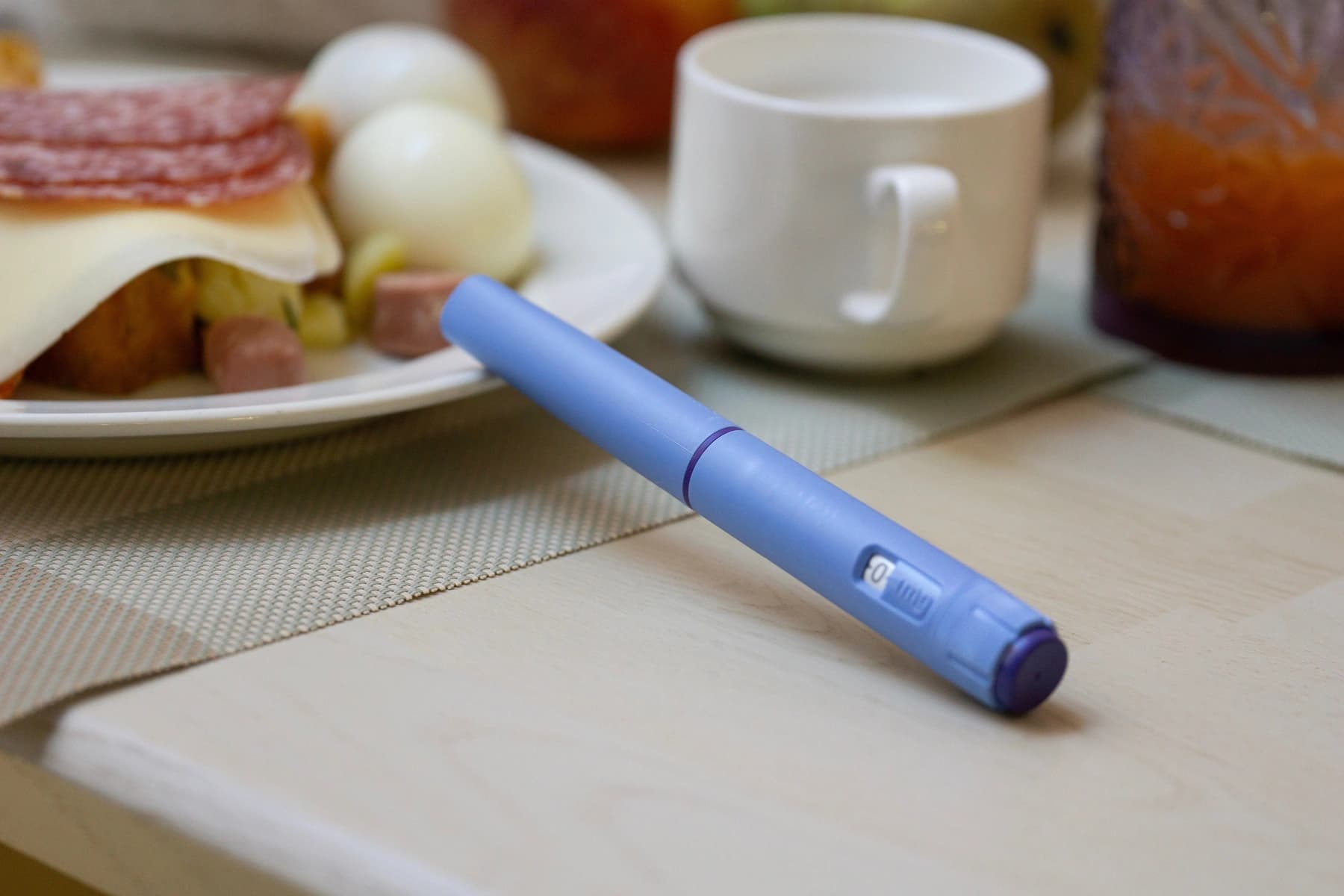
UKWeightloss delivers GLP-1 medication to your home. You self-inject once a week using a pre-filled pen. Your prescriber reviews your progress online and adjusts your treatment as needed.
What if I have tried other weight loss treatments?
GLP-1 medication works differently from other treatments like Orlistat, which blocks fat absorption. If you have tried other approaches, GLP-1 may still work for you. Your prescriber will review your history and recommend the best option.
Can I use GLP-1 medication while taking other medications?
Most medications are compatible with GLP-1 treatment. However, some medications, including oral contraceptives, may be affected. Tell your prescriber about all medications you take so they can assess compatibility.
The shift from sceptic to believer usually happens the same way. You try the medication. Within a few weeks, you notice you are not thinking about food constantly. You eat less without feeling deprived. Weeks pass, and the weight comes off steadily. You realise this is sustainable. This is different.
That does not mean GLP-1 medication is right for everyone. But if you have tried dieting repeatedly and it has not stuck, it is worth a conversation with a prescriber.
UKWeightloss offers online consultations with UK registered prescribers who can assess whether GLP-1 medication is suitable for you, arrange MHRA-approved treatment, and deliver it discreetly to your home with ongoing clinical support.
Get Started Today
Start Your Plan
Ready to take the next step?
Get a clinically guided, personalised treatment pathway designed for sustainable results.
Tags
UKWeightloss Team
Editorial Team
Our editorial team brings together expert knowledge in weight loss, nutrition, and wellness to provide you with accurate, evidence-based health content.