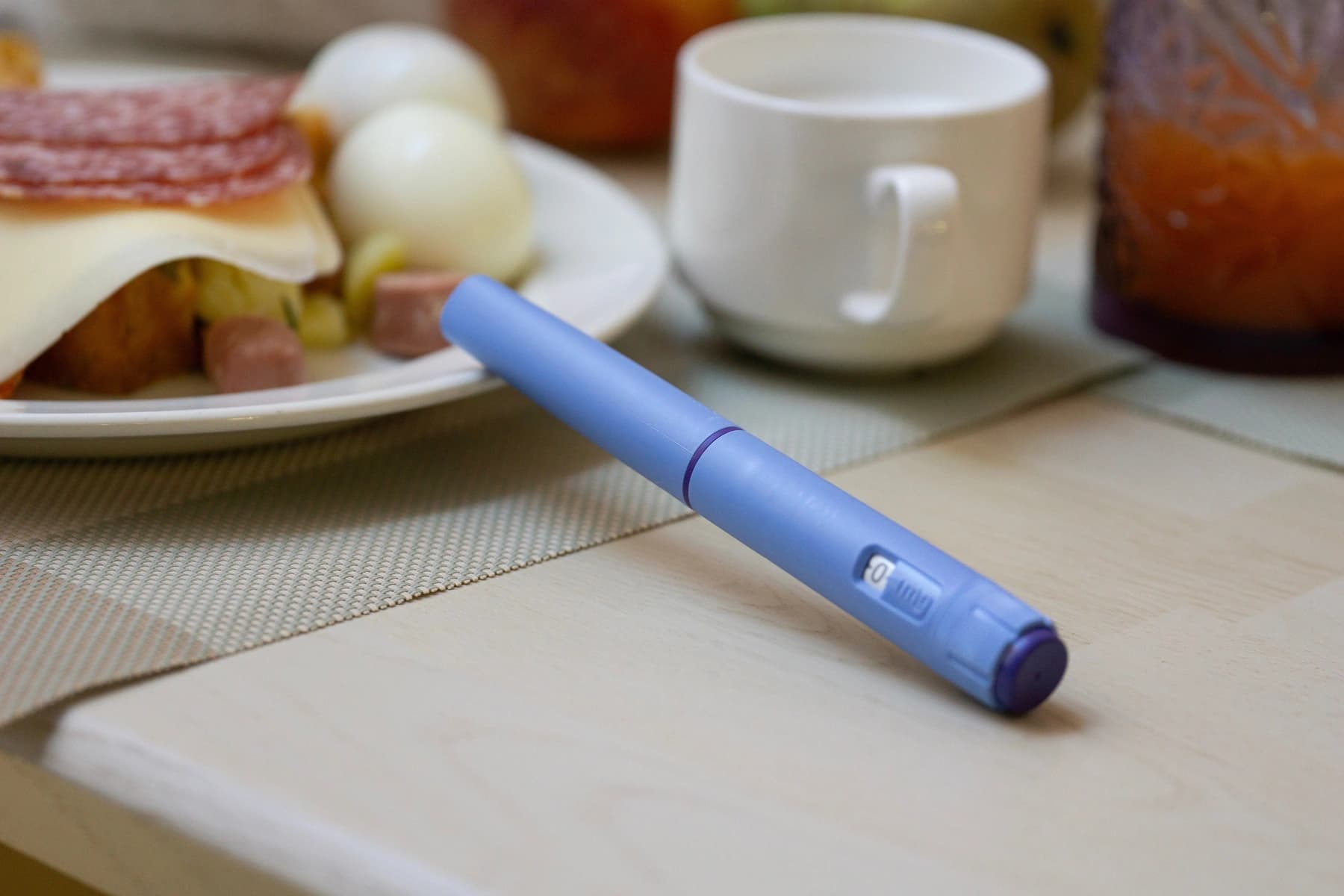

GLP-1 medication changes more than just appetite. Discover the emotional and psychological shifts that help break the cycle of stress eating.
Start Your Plan
Ready to take the next step?
Get a clinically guided, personalised treatment pathway designed for sustainable results.
What emotional eating is
If you eat when you are stressed, bored, anxious, or tired rather than physically hungry, you are not alone. Emotional eating is common. It is also often the hardest pattern to break with diet alone, because the trigger is not hunger—it is a feeling you are trying to manage.
Many people who struggle with their weight have tried conventional approaches: cutting calories, exercising more, willpower-based diets. These fail not because the person lacks commitment, but because they do not address the emotional driver. Food becomes a coping mechanism. When stress or boredom hits, the urge to eat is powerful and automatic.
This is where GLP-1 medication works differently. It does not just reduce appetite. It changes the psychological relationship with food in ways that can break the emotional eating cycle.
How GLP-1 affects emotional eating
The appetite suppression layer
GLP-1 medications (such as semaglutide or tirzepatide) work by mimicking a hormone your body produces naturally. They slow stomach emptying, increase feelings of fullness, and signal the brain that you are satisfied with less food.
For emotional eaters, this matters because it reduces the volume of food you can comfortably eat. If you typically stress-eat a large packet of biscuits, on GLP-1 you may find you can only eat two or three before feeling uncomfortably full. The physical barrier is real.
The craving reduction
Beyond fullness, GLP-1 changes how food feels in your mind. Many people on the medication report that foods they previously craved—crisps, chocolate, takeaway—simply do not appeal to them anymore. The wanting is gone, not just the ability to eat large amounts.
This is significant for emotional eating. If stress normally triggers a craving for something specific, GLP-1 can mute that craving. You may still feel the stress, but the automatic thought "I need food to feel better" weakens.
The psychological distance
Users often describe a shift in their relationship with food that goes beyond chemistry. Food stops feeling like an emotional solution. When you are stressed and you reach for food, but the food does not satisfy you the way it used to, you start to notice something: eating was not actually solving the problem.
This awareness is powerful. Over time, many people on GLP-1 find they naturally reach for other coping strategies—a walk, a conversation, a pause—because food no longer feels like the answer. The medication creates space for a different response.
The reduced food noise
Many emotional eaters describe constant mental chatter about food: thinking about what to eat next, planning meals, remembering favourite foods, feeling pulled toward the kitchen. GLP-1 quiets this noise. The medication reduces the mental preoccupation with food, which gives you mental space to notice and address the actual emotion underneath.
If you are stressed, you can now feel the stress without food immediately drowning it out. This is not comfortable at first, but it is the beginning of learning to manage emotions without food.
Why this matters for stress-driven eating
Emotional eating is not a character flaw. It is a learned pattern. Your brain has learned that food helps you feel better when you are stressed, anxious, or bored. That learning is real and powerful.
Medication alone does not erase that learning. But GLP-1 creates conditions where the pattern becomes easier to interrupt. The craving is weaker. The satisfaction from overeating is gone. The mental space is clearer. These changes make it possible to build new patterns.
Many people find that after a few months on GLP-1, they have naturally eaten less, lost weight, and—importantly—begun to notice what they actually feel underneath the urge to eat. That awareness is the foundation for lasting change.
Side effects and considerations
GLP-1 medications are generally well tolerated, but they do have side effects. The most common are nausea, constipation, and changes in appetite. Nausea is most common in the first few weeks and often improves as your body adjusts. Constipation can be managed with hydration and fibre. Some people experience changes in taste or a reduced interest in foods they previously enjoyed.
Less commonly, some people report fatigue, dizziness, or mild stomach discomfort. These usually settle within a few weeks.
If you are pregnant, breastfeeding, have a history of thyroid cancer, pancreatitis, severe gastrointestinal disease, type 2 diabetes, or are under 18, speak to your prescriber before starting or continuing GLP-1 medication. The same applies if you are taking oral contraceptives (tirzepatide may affect their effectiveness).
Common questions
Will I still feel emotions on GLP-1, or will it numb me?
GLP-1 does not numb emotions. It changes your relationship with food as a coping tool. You will still feel stress, sadness, or boredom—but food will feel less like the answer. This is actually helpful, because it lets you feel and respond to emotions more directly.
What if I stop taking GLP-1? Will emotional eating come back?
GLP-1 is a tool that creates the conditions for change. If you use those months to build new habits—other ways of managing stress, different eating patterns, new routines—those habits can stick even after you stop the medication. The medication gives you time and space to learn something new.
Can I use GLP-1 without changing anything else?
GLP-1 works best alongside small, sustainable changes: drinking more water, moving your body in ways you enjoy, eating protein and vegetables, and noticing what you actually feel when you want to eat. The medication makes these changes easier, not unnecessary.
How long does it take to notice the psychological shift?
Most people notice reduced cravings and appetite within the first two weeks. The psychological shift—noticing that food is no longer your primary coping tool—often takes a few weeks longer. By month two or three, many people describe a clear change in how they think about food.
Is this just appetite suppression, or is there real psychology involved?
Both. The appetite suppression is real and chemical. But the psychological shift is also real. When you stop using food to manage emotions, and you start noticing what you actually feel, that is a genuine change in your relationship with food. The medication creates the conditions; you do the learning.
What if emotional eating is linked to a mental health condition like depression or anxiety?
GLP-1 is not a treatment for depression or anxiety. If you have these conditions, they need proper support—therapy, medication if appropriate, or both. GLP-1 can help with weight and food patterns, but it works best alongside mental health care, not instead of it. Speak to your prescriber about this.
Will I regain weight if I stop GLP-1?
Weight regain is possible if you return to previous eating patterns. But if you have used the medication to build new habits and a different relationship with food, you are more likely to maintain your weight. Many people find they can eventually reduce or stop the medication while keeping the habits and mindset they have built.
Getting started
If emotional eating has been a barrier to weight loss, GLP-1 medication is worth exploring. It works differently from diet alone because it addresses both the physical appetite and the psychological patterns that drive emotional eating.
UKWeightloss offers online consultations with UK registered prescribers who understand these patterns. They will assess whether GLP-1 is right for you, discuss what to expect, and support you through the first weeks when the psychological shifts begin to happen. Medication is dispensed discreetly to your home, and your prescriber remains available as you adjust.
The first step is a consultation to understand your situation and answer your questions. Start your consultation today.
Start Your Plan
Ready to take the next step?
Get a clinically guided, personalised treatment pathway designed for sustainable results.
UKWeightloss Team
Editorial Team
Our editorial team brings together expert knowledge in weight loss, nutrition, and wellness to provide you with accurate, evidence-based health content.