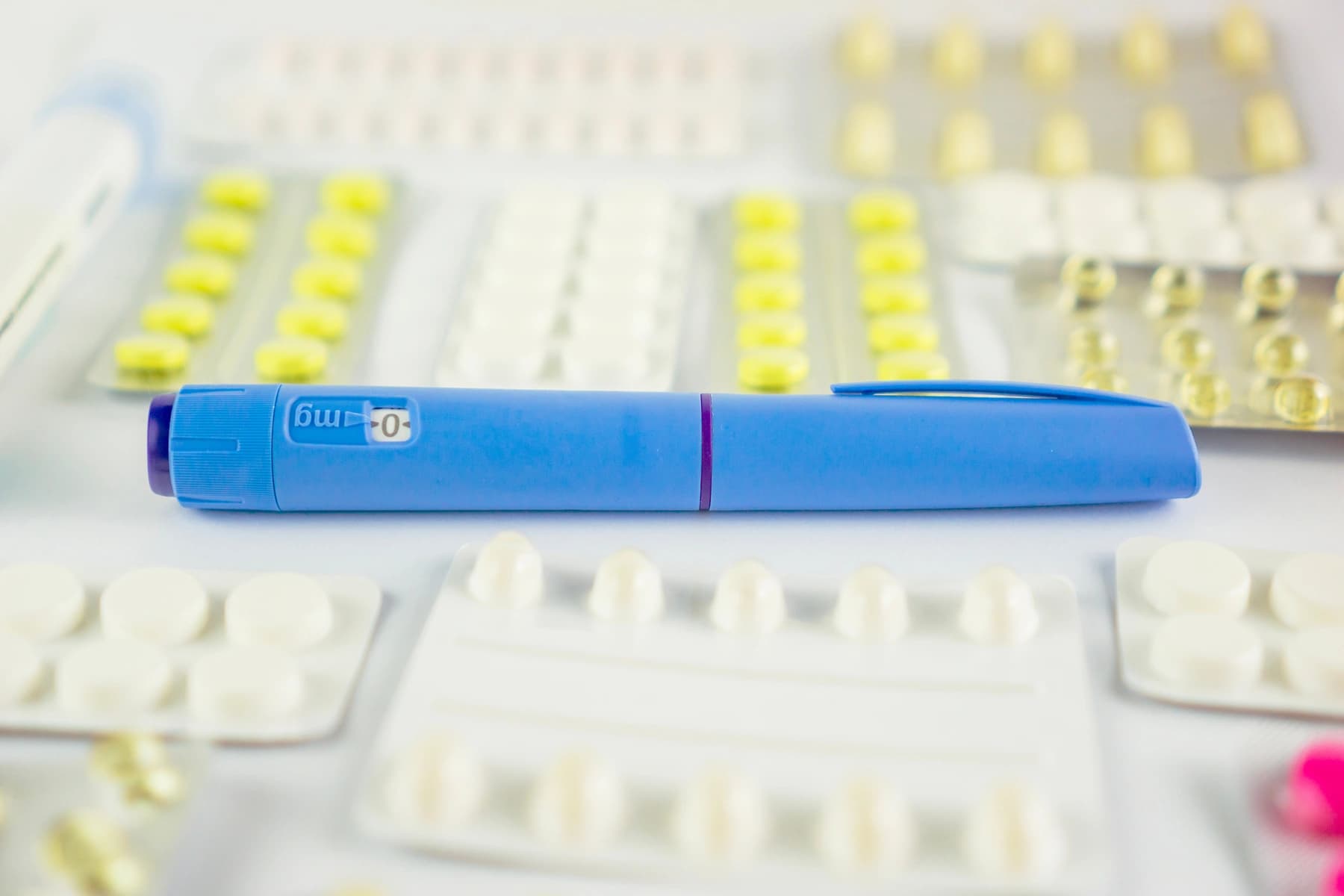

Starting Mounjaro or Wegovy? Here's what the first four weeks really look like.
Start Your Plan
Ready to take the next step?
Get a clinically guided, personalised treatment pathway designed for sustainable results.
Week One: The First Injection
Your first injection arrives. You have watched the video or read the instructions. You are probably a bit nervous. That is normal.
The injection itself takes seconds. Most people feel almost nothing. A tiny pinch, then it is done. You can inject into your thigh, abdomen, or upper arm. Rotate the site each week to avoid irritation. Use a new needle every time.
In the hours after your first dose, you might feel a slight ache at the injection site. Some people report mild headache or fatigue. These are not common, but they happen. Paracetamol is fine if you need it.
Your appetite might start to change within hours, or it might take a day or two. You might notice that food does not appeal to you the way it did. You might feel full faster. You might not think about eating at all. This is the medication starting to work.
Eat what you normally would, but listen to your body. If you are not hungry, do not force yourself to eat. If you are hungry, eat something. There is no special diet needed in week one. Protein is helpful because it keeps you satisfied longer, but nothing is forbidden.
Drink water regularly. Dehydration can make nausea worse if it appears. Aim for about two litres a day, more if you exercise.
Some people feel slightly queasy in the first few days. This usually passes within 48 hours. If it does not, eat smaller meals and avoid fatty or greasy foods. Ginger tea can help. If nausea is severe or lasts more than a week, contact your prescriber.
Week Two: Settling In
By now, the initial injection site soreness has faded. Your appetite is probably noticeably lower than before. You might be eating half what you normally would without feeling deprived. This is the medication working as intended.
Some people experience constipation in week two. This is common with GLP-1 medication because your digestion slows slightly. Drink more water, eat fibre (vegetables, oats, beans), and move your body. A short walk after meals helps. If constipation becomes uncomfortable, speak to your prescriber about options.
A few people feel tired in the second week. Your body is adjusting to a new appetite level and possibly eating less. This usually settles by week three. If fatigue is severe, make sure you are eating enough protein and not skipping meals entirely.
Food preferences often change. Foods you loved might taste different or less appealing. This is not permanent. Your taste will normalise once you stop the medication.
You might notice you are thinking about food less. This is not willpower. This is the medication reducing hunger signals in your brain. It is a relief for many people.
Continue to eat regular meals, even if portions are smaller. Skipping meals can lead to low blood sugar and dizziness. Aim for balanced meals with protein, vegetables, and carbohydrates.
Week Three: The Adjustment Phase
Three weeks in, most people have adapted to the appetite suppression. Your body is used to smaller portions. You are probably eating intuitively without much effort.
Some people feel a dip in energy around week three. This is temporary. Make sure you are eating enough calories to support your activity level. If you exercise, eat a little more on those days.
Nausea, if it has appeared, usually peaks around week two and three and then improves. If you are still feeling queasy, try eating smaller, more frequent meals. Avoid foods that are very rich, spicy, or fatty. Bland foods like toast, rice, and chicken are easier to tolerate.
Constipation might still be present. Keep up the water and fibre. Movement helps. If you have not had a bowel movement in more than three days and feel uncomfortable, contact your prescriber.
By week three, you should feel confident injecting yourself. The routine becomes automatic. You might even forget you are on medication until you notice you are not thinking about your next meal.
Some people weigh themselves at this point. Weight loss in the first month is usually modest, often one to three kilograms. This varies. Some people see no change on the scales in week three but notice their clothes fit differently. Both are normal.
Week Four: Consolidation
Four weeks in, you are past the acute adjustment phase. Your appetite is stable at its new level. You know how your body responds to the medication. You have probably worked out which foods feel good and which do not.
This is a good time to review what is working. Are you managing nausea? Is constipation controlled? Are you eating enough? Are you drinking enough water? Are you sleeping well?
Many people report improved energy by week four. The initial tiredness has passed. You might feel more motivated to move your body or exercise. This is not necessary for the medication to work, but it often happens naturally.
Your next injection is due around day 7 of week four (depending on your dose schedule). By now, you know what to expect. The second injection usually feels easier than the first because you know what is coming.
Some people feel a slight return of appetite just before their second dose. This is normal. The medication's effect gradually wears off over the seven days. Your appetite returns to baseline just before you inject again.
By the end of week four, you should have a clear sense of whether this medication suits you. Most people feel positive. Some feel neutral. A small number experience side effects that are difficult to manage. If you are struggling, your prescriber can adjust your dose or discuss alternatives.
Managing Side Effects in the First Month
Nausea is the most common side effect in the first four weeks. It affects roughly one in three people, usually mildly. If you experience it, eat smaller meals, avoid fatty foods, and stay hydrated. Ginger, peppermint tea, and fresh air can help. Nausea usually improves by week three.
Constipation is also common. Increase water intake, eat more fibre, and move regularly. If you have not had a bowel movement in three days and feel uncomfortable, contact your prescriber.
Fatigue in the first two to three weeks is normal as your body adjusts. Eat enough protein and calories. If tiredness persists beyond week three or is severe, speak to your prescriber.
Headache, dizziness, or mild stomach discomfort can occur but usually pass within a few days. Paracetamol is safe to use.
If you experience severe nausea, vomiting, severe abdominal pain, signs of pancreatitis (severe upper abdominal pain radiating to the back, persistent vomiting), or any symptom that concerns you, contact your prescriber immediately.
If you are pregnant, breastfeeding, have a history of thyroid cancer, pancreatitis, severe gastrointestinal disease, type 2 diabetes, or thyroid conditions, discuss these with your prescriber before starting or continuing treatment.
What to Eat in the First Four Weeks
There is no special diet. You do not need to follow a particular plan. The medication reduces your appetite, so you will naturally eat less.
Protein is useful because it keeps you satisfied longer and supports muscle. Aim for some protein at each meal: chicken, fish, eggs, beans, yoghurt, or tofu.
Vegetables are easy to eat in smaller portions and provide nutrients. They fill you up without many calories.
Carbohydrates are fine. Bread, rice, pasta, and potatoes do not stop the medication working. Eat them if you want them.
Avoid foods that make you feel worse. If fatty foods trigger nausea, skip them for now. If spicy foods upset your stomach, avoid them. Your tolerance will return once you stop the medication.
Alcohol is safe in small amounts, but it can trigger nausea in some people, especially in the first few weeks. If you drink, do so with food and stay hydrated.
Do not restrict calories drastically. Eat when you are hungry. If you are not hungry, do not eat. The medication is doing the work. Your job is to listen to your body and eat enough to feel well.
When to Contact Your Prescriber
Contact your prescriber if you experience severe or persistent nausea lasting more than a week, severe abdominal pain, signs of pancreatitis, vomiting, inability to keep food or fluids down, severe constipation lasting more than three days, signs of allergic reaction (rash, swelling, difficulty breathing), or any symptom that concerns you.
Also contact them if you are struggling emotionally with the changes, if side effects are affecting your quality of life, or if you are unsure whether you should continue.
Your prescriber is there to support you. The first month is an adjustment period. If something does not feel right, they can help.
Common Questions
Will I feel the injection?
Most people feel almost nothing. A tiny pinch, then it is done. The needle is very fine. If you are nervous, take a breath and inject slowly.
What if I miss a dose?
If you miss your weekly injection, take it as soon as you remember, then resume your normal schedule the following week. If you miss it by more than a day or two, contact your prescriber for advice.
Can I exercise in the first four weeks?
Yes. Light exercise like walking is fine and often helps with constipation. Intense exercise might make you feel dizzy if you are eating less. Listen to your body. If you feel weak or faint, rest and eat something.
Will my appetite come back?
Yes. Once you stop the medication, your appetite returns to normal over a few weeks. The medication is not permanent.
How much weight will I lose in the first month?
Weight loss in the first month is usually modest. Clinical trials show an average loss of one to three kilograms in the first four weeks, but individual results vary. Some people see more, some less. The medication works best over months, not weeks.
Is it normal to feel tired?
Mild fatigue in the first two to three weeks is common as your body adjusts. If it persists beyond week three or is severe, contact your prescriber.
Can I drink alcohol?
Small amounts of alcohol are safe, but it can trigger nausea in some people in the first few weeks. Drink with food and stay hydrated.
What if I feel sick after injecting?
Mild nausea is common and usually passes within a few days. Eat smaller meals, avoid fatty foods, and stay hydrated. If nausea is severe or lasts more than a week, contact your prescriber.
The first four weeks on Mounjaro or Wegovy are a period of adjustment, not drama. Your appetite will change. You might feel nauseous, tired, or constipated for a few days. Most of these effects settle by week three. By week four, you should have a clear sense of whether this medication is right for you.
If you are ready to start, or if you have questions about whether weight loss injections suit your situation, UKWeightloss offers online consultations with UK registered prescribers who can review your health, discuss your options, and arrange discreet home delivery of your medication. Start your online consultation today and take the next step with clinical support every step of the way.
Start Your Plan
Ready to take the next step?
Get a clinically guided, personalised treatment pathway designed for sustainable results.
UKWeightloss Team
Editorial Team
Our editorial team brings together expert knowledge in weight loss, nutrition, and wellness to provide you with accurate, evidence-based health content.