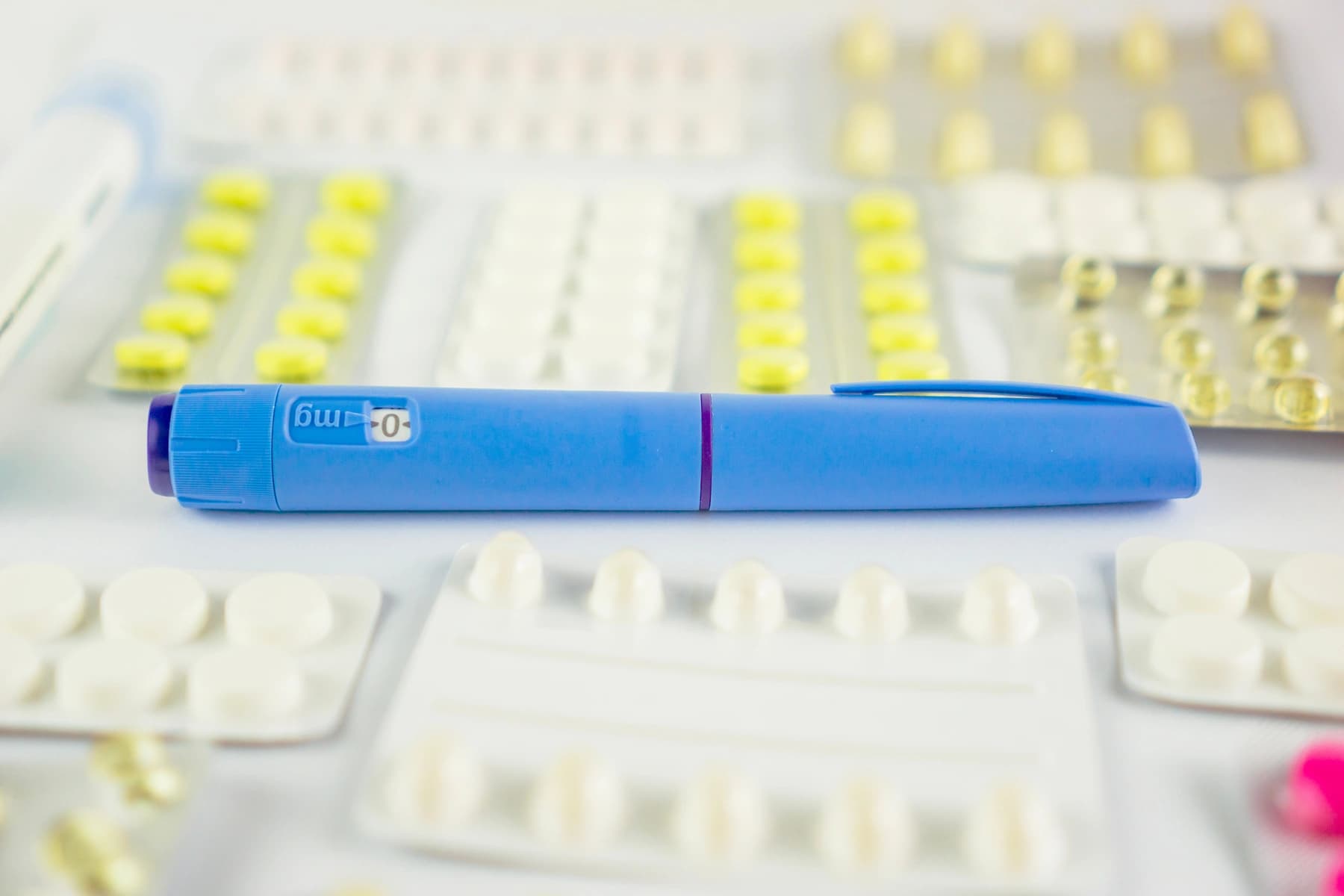
Starting GLP-1 medication? Your appetite will change. Here's how to eat in a way that works with your body.
Start Your Plan
Ready to take the next step?
Get a clinically guided, personalised treatment pathway designed for sustainable results.
What changes when you start GLP-1 medication
When you begin taking GLP-1 medication, your appetite will shift. You will feel fuller sooner and stay satisfied longer. This is how the medication works, and it is the reason it helps with weight loss. Your body is signalling differently to your brain about hunger and fullness.
This change is not a side effect to fight. It is the mechanism. But it does mean the way you eat needs to change too. Eating the same portions as before will feel uncomfortable. Eating foods that do not suit you now will make you feel sick.
The good news: you do not need a special diet or a list of forbidden foods. You need to learn to listen to your body and eat in a way that works with the medication, not against it.
The first few weeks: what to expect
In your first week or two, your appetite will drop quickly. You may find that food you normally enjoy suddenly feels unappealing. You might feel full after a few mouthfuls. Some people feel slightly nauseous, especially if they eat too much or too fast.
This is temporary and manageable. Most people adjust within two to four weeks.
Start with smaller portions than you think you need. Eat slowly. Chew well. Stop when you feel comfortably full, not stuffed. You will likely eat far less than before, and that is normal.
Drink water regularly throughout the day. Dehydration can make nausea worse. Aim for at least six to eight glasses daily.
Foods that work well on GLP-1
Protein is your friend. Lean meats, fish, eggs, Greek yoghurt, cottage cheese, and legumes are all good choices. Protein keeps you satisfied and helps preserve muscle while your body changes.
Vegetables are easy to eat in smaller portions and provide nutrients without a lot of calories. Soft-cooked vegetables are often easier to manage than raw ones if you are feeling sensitive.
Whole grains in small amounts work for many people. Rice, oats, and wholemeal bread are fine if they sit well with you.
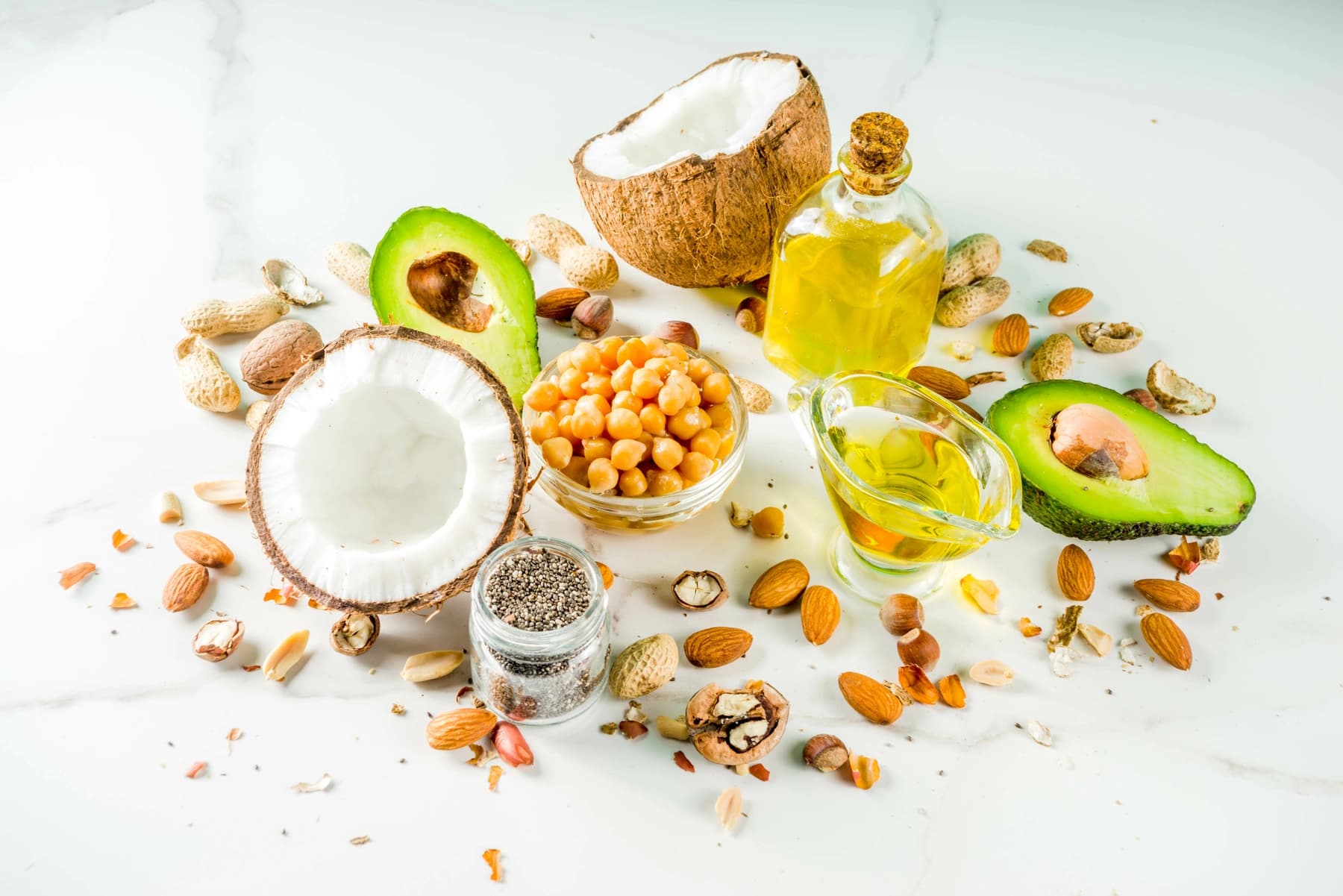
Healthy fats like olive oil, avocado, and nuts are calorie-dense, so small amounts go a long way. A small handful of nuts or a teaspoon of oil can be satisfying.
Avoid or limit foods that are greasy, very sugary, or high in fibre initially. These can trigger nausea or discomfort. As you adjust, you may tolerate them better.
Foods that often cause problems
Fatty or fried foods can feel heavy and may cause nausea. Greasy takeaways and deep-fried items are common triggers in the first few weeks.
Very sugary foods can cause dumping syndrome (dizziness, sweating, nausea) in some people. This is your body reacting to a sudden sugar load when your appetite control is heightened.
Spicy foods may irritate your stomach if you are feeling sensitive. Mild flavours are often easier early on.
Carbonated drinks can cause bloating and discomfort. Still water, herbal tea, and squash are better choices.
High-fibre foods in large amounts can cause bloating. Introduce them gradually as you adjust.
Portion sizes and eating patterns
You will eat less. This is not deprivation; it is your medication working. Most people find they are satisfied with a quarter or a third of their previous portion size.
Use smaller plates and bowls. This helps your brain keep pace with your body's signals.
Eat three meals a day if that suits you, or eat when you are genuinely hungry. Some people on GLP-1 medication find they naturally eat two meals instead of three. That is fine.
Do not force yourself to eat if you are not hungry. Hunger cues are now more reliable. Trust them.
Space meals out. Eating too frequently can lead to discomfort. Most people find three to four hours between meals works well.
Managing nausea while eating
Nausea is common in the first few weeks but usually settles. If you feel sick when eating, try these steps.
Eat smaller amounts more slowly. Put your fork down between bites. Chew thoroughly.
Eat at a table, sitting upright. Do not eat while lying down or slouching.
Avoid eating when you are stressed or distracted. Calm, mindful eating is easier on your stomach.
Sip water or herbal tea between bites, not with them. Drinking too much liquid while eating can make nausea worse.
If nausea is severe or does not improve after two to three weeks, speak to your prescriber. There are ways to manage it, and you should not suffer through it.
What to avoid doing
Do not try to eat "normally" while on GLP-1 medication. Your body has changed; your eating needs to change too.
Do not eat large meals to "make the most" of your appetite before it drops. This will make you feel very sick.
Do not skip meals because you are not hungry. Eat regular small meals to keep your energy stable and avoid becoming too hungry later.
Do not drink alcohol on an empty stomach. It can cause dizziness and nausea. If you drink, have it with food and keep portions small.
Do not assume you will never tolerate certain foods again. Your tolerance will likely improve as you adjust. Reintroduce foods gradually.
Common questions
Will I get enough nutrition eating so little?
In the short term, you will eat less but often choose more nutrient-dense foods. Protein, vegetables, and whole grains will make up a larger proportion of what you eat. If you are concerned about specific nutrients, ask your prescriber about a multivitamin. Over time, as you adjust, your portions will stabilise at a level that sustains you well.
Can I eat normally again?
Yes, eventually. As you progress on treatment, your appetite will regulate. You will be able to eat a wider range of foods and larger portions. The goal is not permanent restriction; it is a new, sustainable balance.
What if I feel sick after eating?
Stop eating immediately. Sip water slowly. Rest sitting upright for 20 to 30 minutes. Avoid eating again until you feel settled. If this happens regularly, speak to your prescriber. Nausea can be managed, and you should not continue feeling unwell.
Do I need to count calories?
No. Most people on GLP-1 medication lose weight without calorie counting because their appetite naturally controls their intake. If you want to track, you can, but it is not necessary. Focus on eating when hungry and stopping when full.
Can I eat out while on GLP-1 medication?
Yes. Order smaller portions, ask for sauces on the side, and eat slowly. Many restaurants will serve a starter as a main, which often works well. You will eat less and spend less, which many people appreciate.
What if my appetite does not change?
Some people experience a smaller appetite change than others. This is normal variation. If your appetite has not shifted noticeably after two weeks, speak to your prescriber. They may adjust your dose or check that the medication is right for you.
Eating on GLP-1 medication is not about restriction or willpower. Your body is signalling differently, and eating in a way that matches those signals is how you feel well and lose weight sustainably. Start with small portions, choose foods that sit well with you, and adjust as you go. Most people find their rhythm within a few weeks.
If you are ready to start treatment or want to discuss how medication might work for you, UKWeightloss offers online consultations with UK registered prescribers who understand these changes and can support you through them. Medication is delivered discreetly to your door, and your prescriber remains available as you adjust. Start your online consultation today.
Start Your Plan
Ready to take the next step?
Get a clinically guided, personalised treatment pathway designed for sustainable results.
UKWeightloss Team
Editorial Team
Our editorial team brings together expert knowledge in weight loss, nutrition, and wellness to provide you with accurate, evidence-based health content.