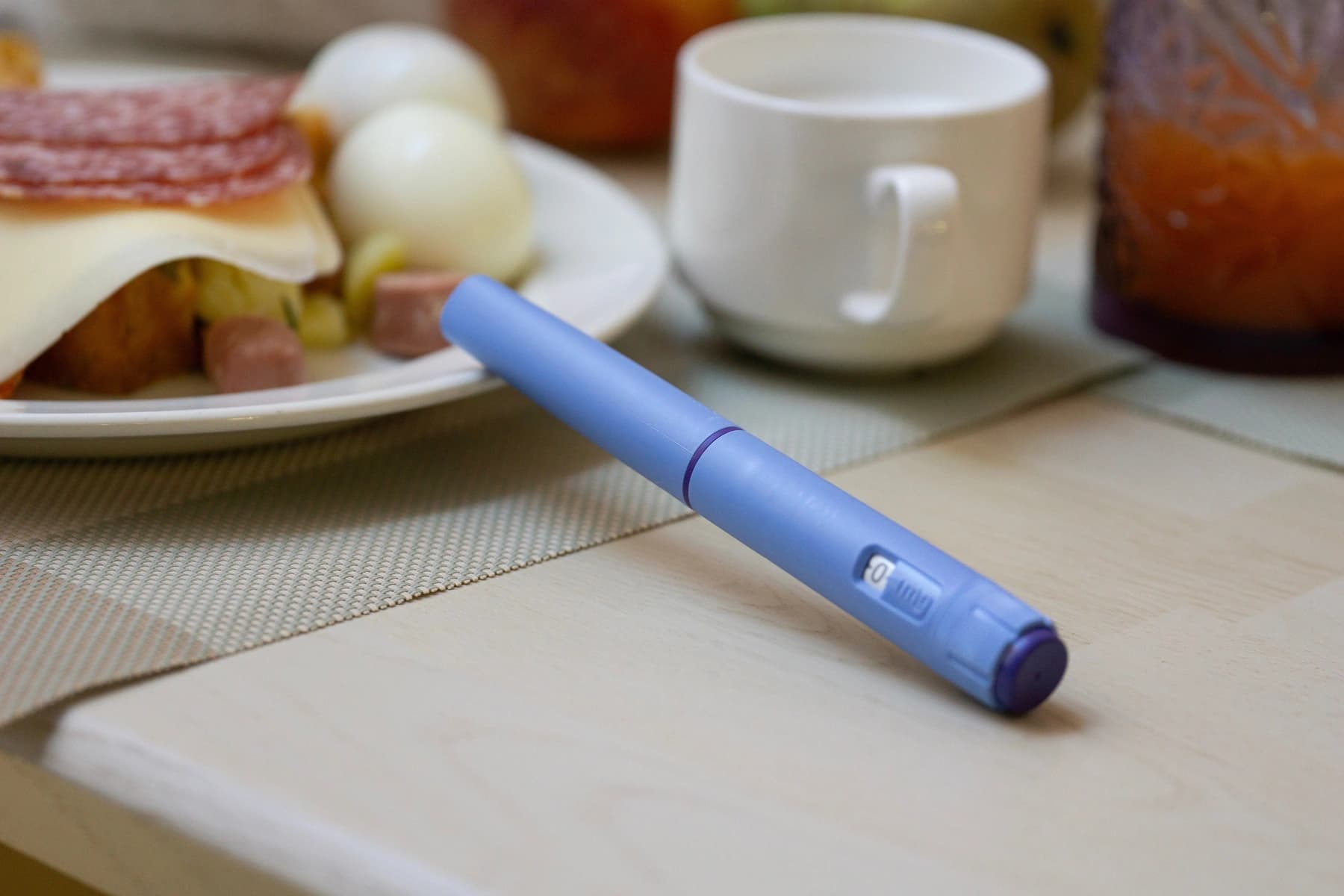
Sleep quality directly impacts how well GLP-1 medication works. Here's what you need to know.
Start Your Plan
Ready to take the next step?
Get a clinically guided, personalised treatment pathway designed for sustainable results.
The connection between sleep and weight loss medication
You are starting or already using a GLP-1 medication like Wegovy or Mounjaro. You are eating less, moving more, and making real changes. But something is holding you back: you are not sleeping well.
Sleep is not a luxury. It is a biological requirement that directly affects how your weight loss medication works. When you sleep poorly, your body resists the medication's effects, your appetite hormones go haywire, and weight loss slows. This is not a failure of willpower. It is physiology.
This post explains how sleep quality affects GLP-1 efficacy, why the connection matters, and what you can actually do about it.
How sleep affects appetite and weight loss
Your appetite is controlled by two main hormones: ghrelin (which signals hunger) and leptin (which signals fullness). GLP-1 medications work by mimicking a natural hormone that enhances leptin signalling and reduces ghrelin. But sleep disruption throws this system off balance.
When you sleep less than six to seven hours per night, ghrelin rises and leptin falls. Your body becomes less sensitive to the appetite-suppressing effects of your medication. You feel hungrier than you should. You crave high-calorie foods more intensely. The medication is still in your system, but it is fighting against a sleep-deprived brain that is screaming for energy.
Research shows that poor sleep also increases insulin resistance, making it harder for your body to regulate blood sugar and store energy efficiently. GLP-1 medications help with insulin sensitivity, but they cannot fully override the metabolic damage of chronic sleep loss. You are working against yourself.
Why GLP-1 users often struggle with sleep
Ironically, starting a GLP-1 medication can disrupt sleep in the first few weeks. Nausea, changes in digestion, and the adjustment period can keep you awake. Some people report vivid dreams or lighter sleep as their body adapts. This is temporary for most people, but it can create a difficult cycle: the medication affects sleep, poor sleep reduces the medication's effectiveness, and frustration builds.
Additionally, if you are losing weight and your energy levels are changing, your sleep patterns may shift. You might need less sleep, or your sleep architecture (the balance between deep sleep and REM sleep) might change. This is usually not harmful, but it can feel unsettling.
Sleep hygiene for people on weight loss medication
Sleep hygiene is the set of habits and environmental factors that support good sleep. For someone on GLP-1 medication, these matter more than for the general population, because sleep directly affects how well the medication works.
Timing and consistency
Go to bed and wake up at the same time every day, even at weekends. Your body's circadian rhythm (the internal clock that regulates sleep and hunger hormones) thrives on consistency. This is especially important if you are on a GLP-1 medication, because a stable sleep schedule helps stabilise ghrelin and leptin.
Aim for seven to nine hours in bed. This is not laziness; it is the window in which most adults consolidate the sleep they need for metabolic health.
Eating and drinking
Eat your main meal three to four hours before bed. GLP-1 medications slow digestion, so food stays in your stomach longer. If you eat close to bedtime, you may feel uncomfortably full, nauseous, or bloated when you lie down. This is one of the most common sleep complaints from people starting these medications.
Avoid caffeine after 2 p.m. if you are sensitive to it. Caffeine can stay in your system for six to eight hours and interfere with sleep onset and depth.
Drink water throughout the day, but taper off in the hour before bed. Waking to use the toilet disrupts sleep architecture and can leave you feeling unrefreshed.
The bedroom environment
Keep your bedroom cool (around 16-18°C), dark, and quiet. Your body temperature drops as you fall asleep; a cool room supports this natural process. Blackout curtains or an eye mask are worth the investment.
Use your bed only for sleep (and intimacy). Do not work, eat, or scroll on your phone in bed. This trains your brain to associate the bed with sleep.
Light exposure
Get natural light in the morning, ideally within an hour of waking. This anchors your circadian rhythm and makes it easier to fall asleep at night. If you work indoors, step outside for ten minutes in the morning.
Reduce blue light in the evening. The blue light from phones, tablets, and screens suppresses melatonin production and delays sleep onset. Put your phone away at least 30 minutes before bed, or use a blue-light filter if you must use a device.
Exercise and stress
Regular physical activity improves sleep quality, but avoid vigorous exercise within three hours of bedtime. Exercise raises core body temperature and adrenaline; you need these to drop before sleep.
Manage stress with techniques that work for you: breathing exercises, journalling, meditation, or a short walk. Stress and anxiety are common reasons for poor sleep, and they are often worse when you are making big changes to your body and health.
Side effects and sleep: what to expect
In the first one to two weeks on a GLP-1 medication, nausea and digestive changes are common. These can disrupt sleep. You may wake in the night feeling uncomfortable, or find it hard to fall asleep because of queasiness.
This usually settles as your body adapts. If nausea is severe or persistent, contact your prescriber. They can advise on timing of doses, food choices, or whether a dose adjustment is needed.
Some people report more vivid dreams or slightly lighter sleep in the first month. This is not dangerous, but it can feel strange. It typically resolves within two to four weeks.
If you have a history of sleep apnoea, thyroid disease, or mood disorders, discuss sleep changes with your prescriber before starting treatment. Weight loss itself can improve sleep apnoea, but the initial adjustment period may need monitoring.
If you are pregnant, breastfeeding, or have a history of pancreatitis, thyroid disease, or severe gastrointestinal disease, speak to your prescriber about how GLP-1 medication might affect your sleep and overall health before starting treatment.
Common questions
Will the medication keep me awake?
Not usually. Some people report slightly lighter sleep in the first week or two, but this settles. If you are having persistent insomnia after four weeks, contact your prescriber. It may be worth adjusting your dose timing or reviewing other factors like caffeine or stress.
Can I take sleeping tablets while on GLP-1 medication?
Speak to your prescriber before starting any new medication, including over-the-counter sleep aids. Some sleep medications can interact with GLP-1 drugs or affect your appetite control. Your prescriber can advise on what is safe for you.
Does better sleep actually speed up weight loss?
Better sleep does not directly cause weight loss, but it removes a major barrier to the medication working as intended. When you sleep well, your appetite hormones are balanced, your body is more responsive to the medication, and you are more likely to make consistent food choices. Over time, this adds up.
What if I work night shifts?
Shift work makes sleep hygiene much harder, and it can reduce GLP-1 efficacy because your circadian rhythm is disrupted. If you work nights, prioritise consistency: sleep at the same times each day, even if those times are unconventional. Talk to your prescriber about whether the timing of your medication dose should change to match your sleep schedule.
How long does it take for sleep to improve after starting the medication?
If poor sleep was caused by uncontrolled appetite or metabolic issues, it often improves within two to four weeks as the medication takes effect. If sleep problems are new (caused by the medication itself), they usually settle within one to two weeks. If sleep is still poor after a month, contact your prescriber.
Is it normal to need less sleep on GLP-1 medication?
Some people report needing slightly less sleep or feeling more rested on less sleep as their weight decreases and their energy improves. This is usually fine, as long as you feel alert and functional during the day. If you are sleeping significantly less and feeling tired, that is worth discussing with your prescriber.
Sleep is not separate from your weight loss journey. It is part of it. By protecting your sleep, you are protecting the effectiveness of your medication and setting yourself up for better results. The effort you put into sleep hygiene now will pay off in how well your body responds to treatment.
If you are ready to start a weight loss medication, or if you are already on one and want to optimise your approach, UKWeightloss can help. Our UK registered prescribers work with you to review your full picture, including sleep and lifestyle, and provide ongoing support. Start your consultation today with a clinician who understands that weight loss is not just about the medication, it is about the whole picture.
Start Your Plan
Ready to take the next step?
Get a clinically guided, personalised treatment pathway designed for sustainable results.
Tags
UKWeightloss Team
Editorial Team
Our editorial team brings together expert knowledge in weight loss, nutrition, and wellness to provide you with accurate, evidence-based health content.