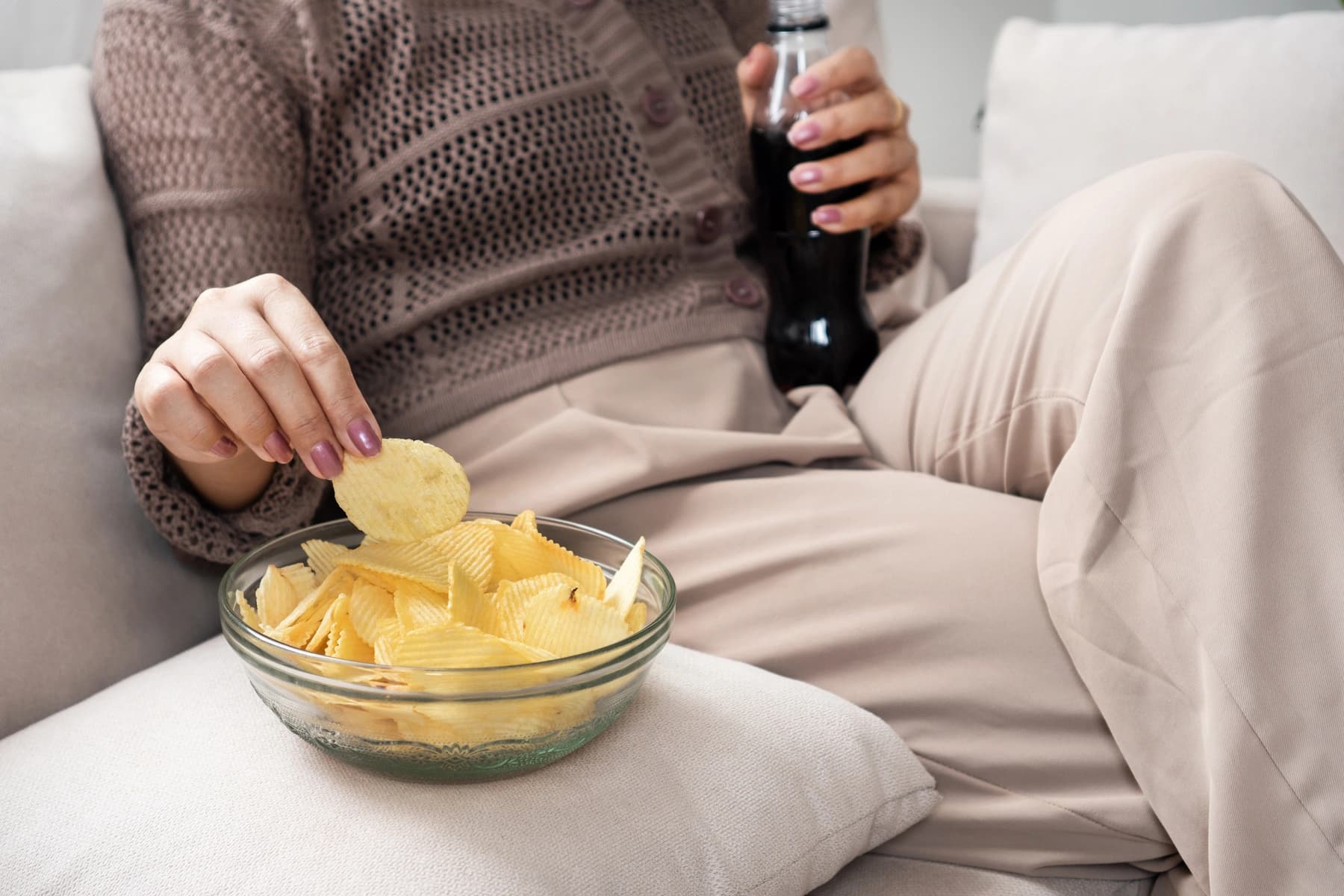

Winter weight gain peaks in November. Here's why many UK patients start GLP-1 medication in late autumn—and how to stay consistent through the holidays.
Start Your Plan
Ready to take the next step?
Get a clinically guided, personalised treatment pathway designed for sustainable results.
The winter weight gain pattern
Most people gain weight between November and January. The pattern is predictable: shorter days, colder weather, comfort eating, social events, and disrupted routines all converge. For many, this is when the idea of starting weight loss medication becomes real.
You might notice that your appetite feels different in winter. That is not weakness or lack of willpower. Seasonal changes affect hunger hormones, mood, and behaviour in measurable ways. Many people find that late autumn is when they decide to act—not because they have suddenly failed, but because they recognise the pattern and want to interrupt it.
This guide explains why winter is such a common time to start GLP-1 medication, what you should know before you begin, and how to stay consistent through the festive season.
Why winter triggers weight gain
Seasonal appetite changes
Daylight hours drop sharply from October onwards. Reduced sunlight affects serotonin and melatonin, which regulate mood and appetite. Your body may signal hunger more strongly in winter, especially for carbohydrates and fats. This is not a personal failing—it is biology.
Colder weather also reduces activity. You move less, burn fewer calories, and spend more time indoors. Social eating increases: work parties, family gatherings, and festive meals become routine.
Holiday stress and routine disruption
November through January brings multiple sources of stress: financial pressure around gift-buying, family obligations, work deadlines before the year end, and then the disruption of normal routine over Christmas and New Year. Stress raises cortisol, which drives appetite and fat storage, especially around the abdomen.
Routine collapse is significant. If you normally eat at regular times, exercise on set days, or sleep on a schedule, the festive period dismantles all of that. Your body responds to unpredictability by increasing hunger signals.
Availability and social pressure
Seasonal foods are everywhere: mince pies, chocolate, festive drinks, and rich meals at social events. You face genuine pressure to participate in food-centred celebrations. The messaging is constant: indulgence is expected and normal.
Why many people start GLP-1 medication in late autumn
Starting weight loss medication in November or December is a practical choice, not a sign of desperation.
If you begin treatment in late autumn, you move through the initial adjustment period (when appetite suppression is strongest) during the season when you most need it. The medication's appetite-reducing effect can help you navigate Christmas meals and New Year social events without the usual weight gain.
Many people also find that starting before the holidays gives them a sense of agency. Instead of passively accepting seasonal weight gain, they are actively managing it. This psychological shift matters.
Additionally, if you start now, you will have established a routine with your medication and learned how your body responds by the time January arrives. You will not be starting a new treatment and facing New Year pressure simultaneously.
Is starting now right for you?
Starting weight loss medication is a medical decision. Your prescriber will assess whether GLP-1 treatment is suitable based on your health history, current weight, and any other conditions.
You are generally eligible for GLP-1 medication if your BMI is 30 or above, or 27 or above with a weight-related health condition such as type 2 diabetes or high blood pressure. Your prescriber will also check your medical history to rule out contraindications.
Starting in winter does not change your eligibility. What matters is whether the treatment is right for you and whether you are ready to use it consistently.
Factors to consider before starting now
Your readiness. Starting medication during a busy, stressful season requires commitment. You will need to attend your initial consultation, receive your first dose, and monitor how you feel. If you are already overwhelmed, waiting until January might suit you better. There is no wrong answer—it depends on your capacity.
Your support system. Weight loss medication works best alongside lifestyle changes: eating protein-rich foods, staying hydrated, and moving your body. If your household is chaotic during the holidays, or if you lack support from family or friends, starting in January when routines stabilise might be easier.
Your goals. If your goal is to prevent winter weight gain and arrive at January at the same weight you were in October, starting now makes sense. If you are hoping to lose significant weight by a specific date, remember that medication works gradually. Most people see meaningful changes over weeks and months, not days.
Medication supply and delivery. UKWeightloss delivers medication to your door. Check that you will be home to receive your first dose and that you have somewhere safe to store it. During the festive period, postal delays are possible—plan ahead.
Starting GLP-1 medication in winter: what to expect
Your first few weeks
Your prescriber will start you on the lowest dose. This allows your body to adjust and helps identify any side effects early. You may feel less hungry within days, or the change may be gradual. Both are normal.
During your first month, you might experience nausea, especially if you eat too quickly or too much. Eating slowly, in smaller portions, and choosing protein and vegetables helps. Ginger tea, peppermint, or simply resting after meals can ease nausea.
Some people feel tired in the first week or two. This usually passes. Staying hydrated and eating enough protein supports energy levels.
Navigating Christmas meals
You do not have to avoid festive meals. The medication reduces appetite, but you can still eat. The difference is that you will feel full sooner and may not want to eat as much.
Practical tips: eat protein first (turkey, ham, fish), then vegetables, then carbohydrates. Eat slowly and stop when you feel satisfied, not stuffed. Drink water between bites. Avoid sugary drinks, which add calories without triggering fullness.
You will likely eat less than you would have without medication. That is the point. You are not depriving yourself—you are responding to genuine signals from your body that you are full.
Managing social situations
Festive gatherings often centre on food and drink. You might feel self-conscious eating less than others, or face questions about why you are not eating much.
You do not owe anyone an explanation. A simple "I am not very hungry" is enough. If someone presses, you can say you are trying a new approach to managing your weight and feeling better for it.
Bring a dish you enjoy to gatherings, so you know there is something you want to eat. Focus on the people and the occasion, not the food. Sipping a warm drink (tea, coffee, hot chocolate) keeps your hands and mouth busy without adding calories.
Staying consistent through disruption
Routine collapse is real in December. Your normal exercise time might vanish. Meal times become irregular. Sleep shifts.
Do not aim for perfection. Aim for consistency in taking your medication on schedule and eating when you are genuinely hungry. A 20-minute walk is better than nothing. Sleeping seven hours is better than five.
Write down your injection day and set a phone reminder. Keep your medication in the same place. These small anchors help when everything else is chaotic.
Important safety information
GLP-1 medications are prescription treatments. They work by slowing digestion and reducing appetite, which can cause side effects.
Common side effects include nausea, vomiting, constipation, diarrhoea, and abdominal discomfort. These are usually mild and improve over time. Serious side effects are rare but can include pancreatitis (severe abdominal pain), gallbladder problems, and dehydration.
If you experience severe abdominal pain, persistent vomiting, or signs of dehydration (dizziness, very dark urine, extreme thirst), contact your prescriber or seek medical advice immediately.
If you are pregnant, breastfeeding, have a history of type 2 diabetes, thyroid disease, pancreatitis, or severe gastrointestinal disease, or are under 18, speak to your prescriber before starting or continuing treatment. These conditions require individual assessment.
Common questions
Will I lose weight faster if I start now?
No. Weight loss depends on the dose you are taking, your lifestyle, and how your body responds. Starting in November does not accelerate results. What it does is help you avoid gaining weight during a season when most people do.
What if I miss a dose over Christmas?
Contact your prescriber for guidance. Most GLP-1 medications are taken once weekly, so missing one dose is not dangerous. Your prescriber can advise whether to take the next dose on schedule or adjust the timing. Do not double up on doses.
Can I drink alcohol while on GLP-1 medication?
Alcohol can worsen nausea and dehydration. It also adds calories without triggering fullness, so you may drink more than you intend. Limit alcohol and always eat food when you drink. Speak to your prescriber if you have concerns.
Will the medication stop working after Christmas?
No. GLP-1 medication does not lose effectiveness over time. What changes is your body's adjustment to it. Some people find that nausea decreases after a few weeks, which can feel like the medication is "wearing off"—but appetite suppression remains. Your prescriber can adjust your dose if needed.
What if I gain weight over the holidays despite the medication?
Weight fluctuates. A few days of festive eating might show on the scales, but that does not mean the medication is not working. True weight loss is measured over weeks and months, not days. If you are concerned, speak to your prescriber.
Should I exercise while starting medication?
Yes, but gently. You may feel less energetic in your first week. Light activity like walking is fine. Intense exercise can worsen nausea. As you adjust, you can increase activity. Your prescriber or a dietitian can advise based on your fitness level.
Can I start medication and then stop over Christmas?
No. Stopping and starting disrupts your body's adjustment and can cause side effects. Consistency matters. If you are unsure about starting now, it is better to wait until January when you can commit to the full course.
Starting your weight loss journey
Winter weight gain is common, but it is not inevitable. Many people use the November-to-January period to take control, and starting GLP-1 medication is one way to do that.
UKWeightloss offers online consultations with UK registered prescribers who will assess whether medication is right for you. Your prescription is reviewed within 24 hours, and medication is delivered discreetly to your door. You receive ongoing clinical support as you adjust to treatment.
If you are ready to start, or if you want to discuss whether now is the right time, get started now with a consultation. If you prefer to wait until January, that is fine too—your prescriber will support you whenever you decide to begin.
Start Your Plan
Ready to take the next step?
Get a clinically guided, personalised treatment pathway designed for sustainable results.
Tags
UKWeightloss Team
Editorial Team
Our editorial team brings together expert knowledge in weight loss, nutrition, and wellness to provide you with accurate, evidence-based health content.