
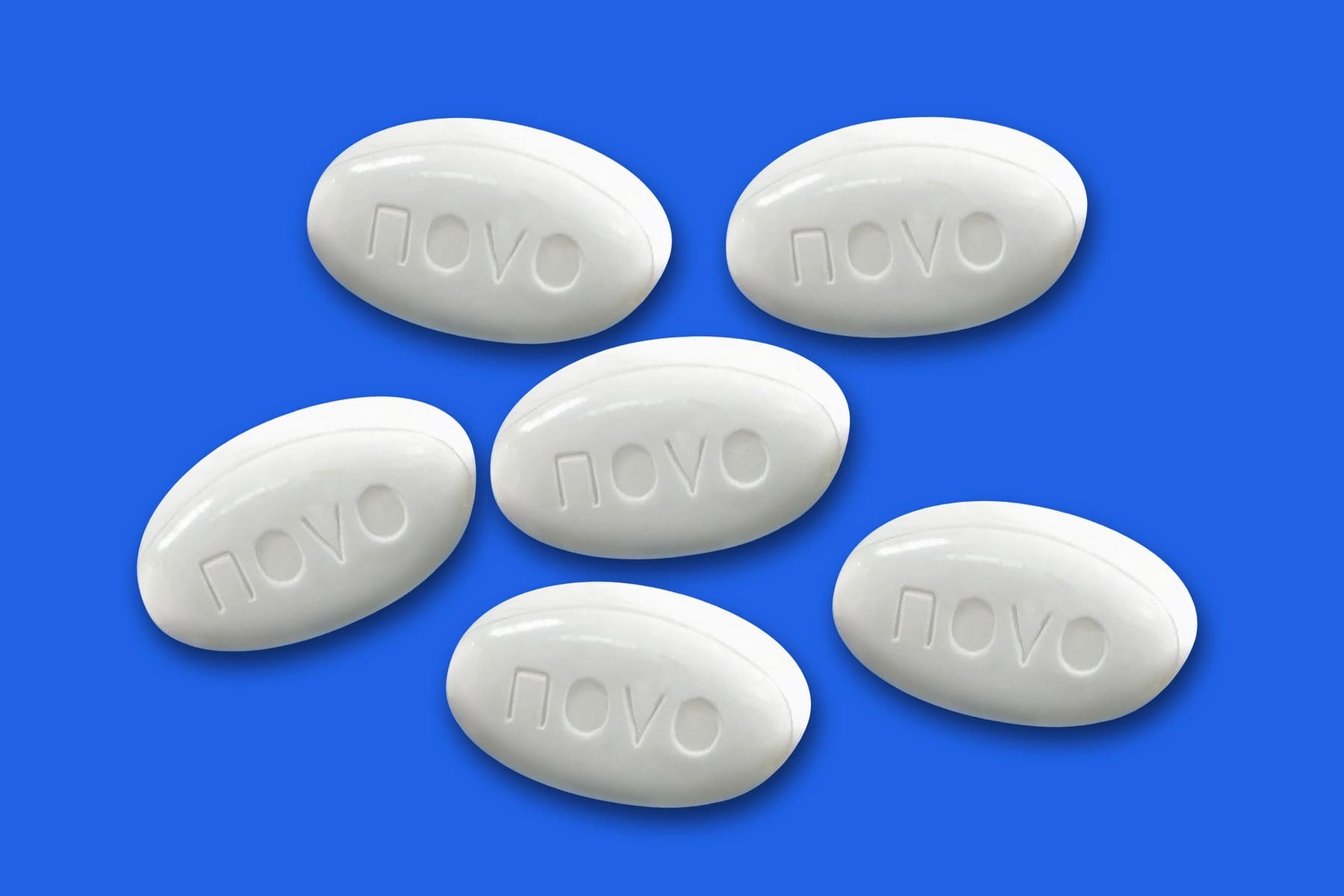
Choosing between Wegovy tablets and weekly injections? We break down the differences to help you decide.
Start Your Plan
Ready to take the next step?
Get a clinically guided, personalised treatment pathway designed for sustainable results.
Wegovy: Tablets or Injections?
You are considering Wegovy for weight management, but you are not sure whether the daily tablet or weekly injection suits your life better. Both work, but they differ in how your body absorbs them, how often you need to act, and what fits around your routine.
This guide compares the two formats so you can make an informed choice with your prescriber.
Quick Comparison
| Aspect | Tablet (oral semaglutide) | Injection (semaglutide pen) |
|---|---|---|
| Frequency | Once daily | Once weekly |
| How it works | Swallowed on an empty stomach | Injected under the skin |
| Absorption | Lower bioavailability; requires specific timing | Higher bioavailability; absorbed directly into bloodstream |
| Starting dose | 0.25 mg daily | 0.25 mg weekly |
| Typical side effects | Nausea, constipation, reduced appetite | Nausea, constipation, reduced appetite |
| Travel-friendly | Yes, small and portable | Yes, pen fits in a bag; no fridge needed |
| Needle anxiety | Not relevant | Relevant for some people |
The Tablet: Daily Oral Semaglutide
Wegovy tablets contain semaglutide and are taken once each morning on an empty stomach, at least 30 minutes before food or drink (except water). You swallow it whole; do not crush or chew it.
The tablet is absorbed through the stomach lining. Because the stomach is a challenging environment for large molecules, only a small percentage of the semaglutide actually enters your bloodstream. This is why the tablet dose is higher than the injection dose, and why timing matters.
Who the tablet suits: people who prefer not to inject, who have a stable morning routine, who do not travel frequently, or who want to avoid needles altogether. Some people find the daily ritual reassuring; others find it easier to remember a once-daily tablet than a weekly injection.
Who it does not suit: people with severe nausea or vomiting (the tablet can be harder to tolerate on an empty stomach), people with swallowing difficulties, or those with certain gastrointestinal conditions. If you have severe gastrointestinal disease, speak to your prescriber before starting.
What to expect: you take the tablet first thing in the morning with a small sip of water only. You then wait at least 30 minutes before eating, drinking anything else, or taking other medications. This timing window is non-negotiable; if you eat too soon, the medication will not work properly. Many people find this easier in a work-from-home or flexible schedule. If you travel across time zones or have an erratic morning routine, the injection may be simpler.
Practical notes: the tablet is small and easy to carry. It does not require refrigeration. If you miss a dose, take it as soon as you remember, as long as it is at least 30 minutes before your next meal. If you forget until later in the day, skip that dose and take your next one the following morning. Do not double up.
The Injection: Weekly Semaglutide Pen
The Wegovy pen delivers semaglutide as a once-weekly subcutaneous injection. You inject it yourself, usually into the abdomen, thigh, or upper arm. Each pen is pre-filled and comes with clear instructions.
The injection bypasses the stomach entirely. Semaglutide is absorbed directly into the bloodstream through the injection site, so a much higher percentage of the dose reaches your system. This is why injection doses are lower than tablet doses, and why the injection is often considered more potent.
Who the injection suits: people with busy or unpredictable mornings, frequent travellers, people who do not mind needles, or those who prefer to think about their medication once a week rather than daily. Some people find the weekly rhythm easier to remember, especially if they pair it with a fixed day (e.g. every Sunday evening).
Who it does not suit: people with needle anxiety or phobia, people with bleeding disorders or those on blood thinners (discuss with your prescriber), or those with severe skin conditions at injection sites. If you have a history of pancreatitis, thyroid disease, or type 2 diabetes, discuss suitability with your prescriber before starting.
What to expect: you inject once per week, on the same day and time each week. The injection takes seconds. Most people feel minimal discomfort; the needle is very fine. You can inject at home, at work, or anywhere private. Pens do not require refrigeration once in use, though they should be stored below 30 degrees Celsius. If you miss a dose, inject as soon as you remember, as long as it is at least 2 days before your next scheduled dose. If it is less than 2 days away, skip that dose and inject on your normal day.
Practical notes: many people find the injection easier to integrate into a weekly routine than a daily tablet. There is no empty-stomach requirement. You can eat immediately after injecting. If you travel, the pen fits easily in a bag and does not require special storage on short trips. Some people experience a small bruise or mild soreness at the injection site; this is normal and usually fades within hours.
Side Effects and Risks
Both formats contain the same active ingredient, so the side effects are similar. The most common are nausea, constipation, reduced appetite, and mild diarrhoea. These often improve within the first few weeks as your body adjusts.
Less common but serious side effects include pancreatitis (severe abdominal pain), gallbladder problems, and thyroid concerns. If you experience severe abdominal pain, persistent vomiting, or any symptoms that worry you, contact your prescriber immediately.
If you are pregnant, breastfeeding, have a personal or family history of thyroid cancer, have a history of pancreatitis, have severe gastrointestinal disease, have type 2 diabetes, or are under 18, speak to your prescriber before starting or continuing either format.
How to Choose
Start with clinical suitability. Your prescriber will assess your health history and recommend the format that is safest for you.
If both are suitable, consider your routine. Do you have a stable, quiet morning? The tablet may work. Do you travel, have an erratic schedule, or prefer weekly reminders? The injection may suit you better.
Cost is not usually a deciding factor between the two formats, as they are typically priced similarly. Check the current pricing on the website.
Some people try the tablet first and switch to the injection later, or vice versa. There is no rule; you can change formats if one is not working for your lifestyle.
Common Questions
Can I switch between tablet and injection?
Yes. If you start with one format and find it does not fit your routine, you can switch to the other. Your prescriber will guide you through the transition and any dose adjustments needed.
Which one works faster?
Both reach steady state after about 4 to 5 weeks. The injection may reach higher blood levels more quickly because it bypasses the stomach, but in practice, most people notice appetite changes within the first week or two on either format.
What if I have trouble swallowing the tablet?
The tablet must be swallowed whole. If you have difficulty swallowing, the injection is a better option. Discuss this with your prescriber.
Is the injection painful?
The needle is very fine, and most people report minimal discomfort. If you have needle anxiety, your prescriber can discuss strategies or recommend the tablet instead.
Can I take the tablet with food?
No. The tablet must be taken on an empty stomach, at least 30 minutes before eating. This is a key difference from the injection, which has no food restrictions.
What if I miss a dose of the injection?
If you remember within 2 days of your scheduled dose, inject as soon as you can. If it is less than 2 days until your next dose, skip the missed one and inject on your normal day. Never inject twice in one week.
Which format is more effective?
Clinical trials show both formats produce similar weight loss outcomes on average. Individual results vary. The format that works best is the one you will use consistently.
Do I need to refrigerate either format?
The tablet does not require refrigeration. The injection pen does not require refrigeration once in use, though it should be stored below 30 degrees Celsius. Pens should be kept away from direct heat and sunlight.
Next Steps
Your choice between tablet and injection depends on your health, your routine, and your preference. There is no universally "better" option; the best choice is the one that fits your life and that you will use as prescribed.
UKWeightloss offers online consultations with UK registered prescribers who will review your health history, discuss both formats, and recommend the option that suits you. Whichever you choose, your medication is delivered discreetly to your door, and you receive ongoing clinical support. Start your consultation today to explore which format is right for you.
Start Your Plan
Ready to take the next step?
Get a clinically guided, personalised treatment pathway designed for sustainable results.
Tags
UKWeightloss Team
Editorial Team
Our editorial team brings together expert knowledge in weight loss, nutrition, and wellness to provide you with accurate, evidence-based health content.